
BBQ isn’t one technique. It’s a choice of BBQ cooking methods, and that choice changes everything. Texture. Flavour. Even though you need to be. The real debate usually comes down to this: low and slow BBQ vs hot and fast. Both are valid. Both can ruin meat if used at the wrong time. Let us break it down in a way that actually helps you cook better.
What Low & Slow Really Means
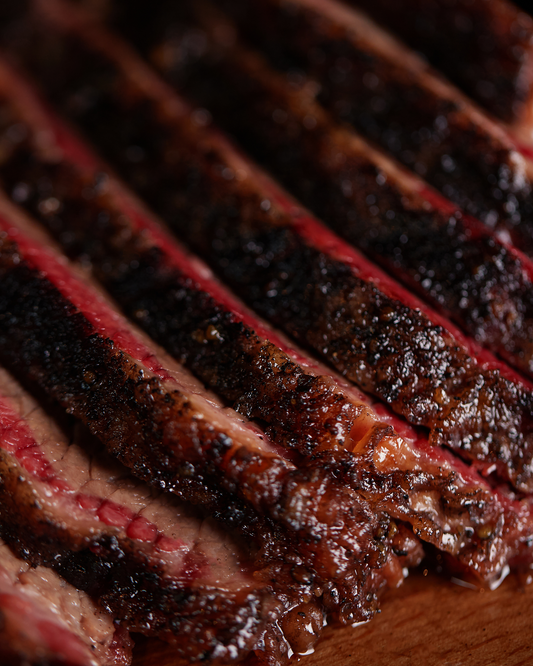
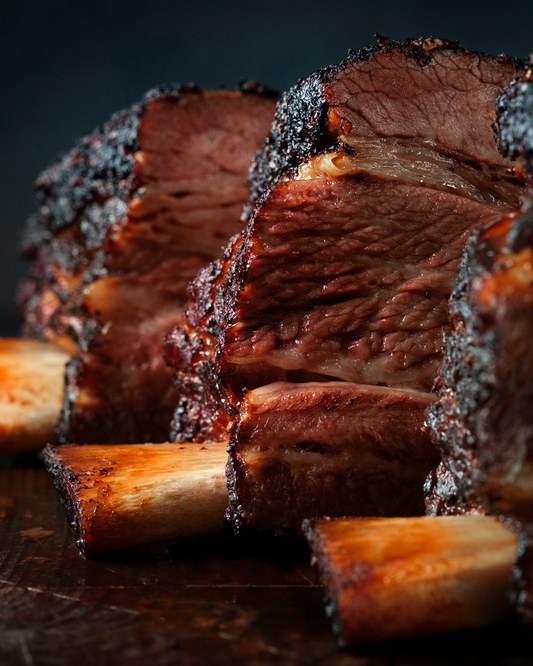
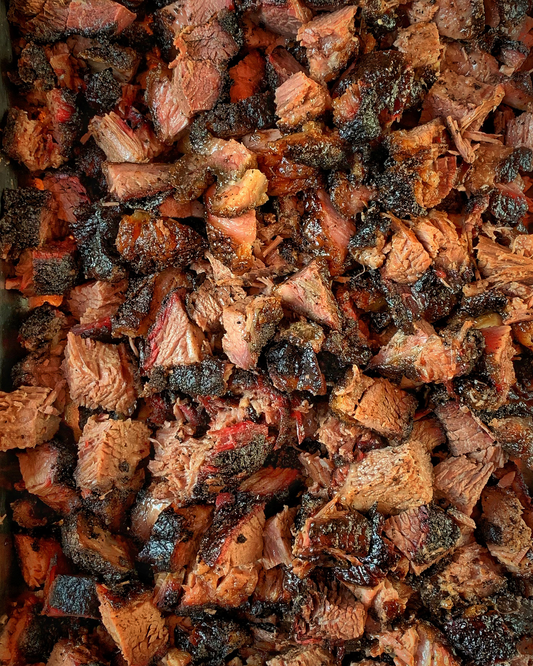
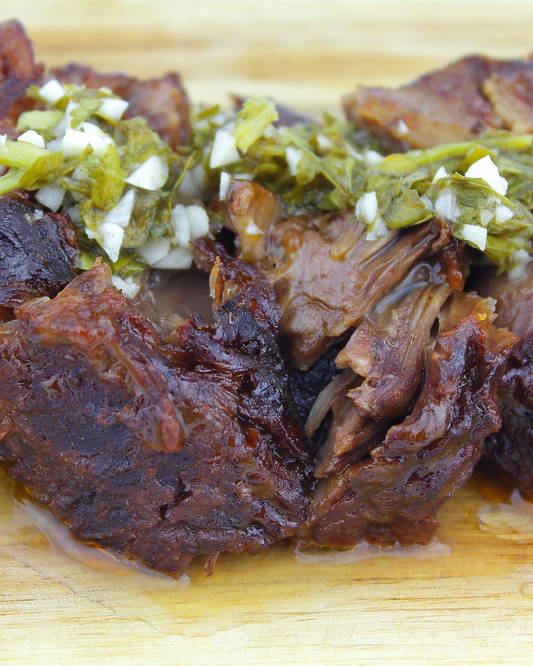
Low and slow is exactly what it sounds like. Lower temperatures, usually between 100 and 130°C, are used to cook for several hours. This method is built for tough cuts that need time to relax and break down. Think brisket, pork shoulder, ribs.
Here is what’s happening beneath the surface. Collagen slowly melts into gelatin. Fat renders instead of dripping away. Smoke has time to settle into the meat rather than just brushing past it. That is why classic American BBQ lives here.
Low heat gives you control. It forgives small mistakes. But it demands patience. Rush it, and you will get dry meat with none of the tenderness you were promised.
This is also where traditional smoking techniques shine. Wood choice matters more. Airflow matters. You’re not just cooking meat, you are managing a long process.
When Hot & Fast Is the Better Move
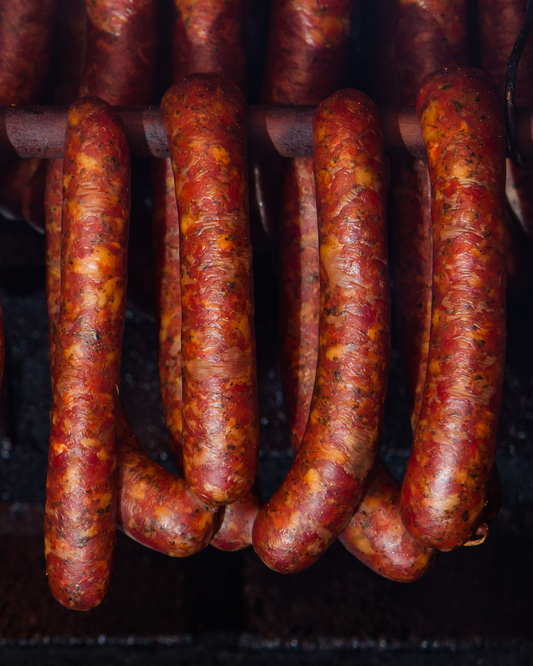
Hot and fast flips the script. Higher temperatures, often 200-300°C, shorter cook times, and more direct heat. This method works best for tender cuts like steaks, burgers, sausages, chicken pieces, and seafood.
The goal here isn’t breakdown. It is a reaction. High heat creates browning, crust, and that unmistakable charred flavour people associate with grilling. You get crisp skin, juicy centres, and food on the table quickly.
Hot and fast is less forgiving. Step away too long, and dinner turns into charcoal. But when done right, it delivers bold flavour and great texture without the wait.
This method also suits busy days. Not every cookout needs to be an all-day affair.
Choosing the Right Method for the Meat
The biggest mistake people make is forcing one style onto everything. Not all meat wants the same treatment.
Tough, fatty cuts need time. That is where low and slow wins every time. Lean or naturally tender cuts don’t benefit from hours of heat. They dry out. They lose their point.
Understanding low and slow BBQ vs hot and fast is really about reading the meat. Thickness, fat content, connective tissue, and even mood all play a role. Yes, mood. Some days you want to tend a fire. Some days you want to eat.
Experience teaches you that meat gives clues if you pay attention. Thick cuts with heavy marbling ask for patience. Thin or lean pieces reward decisiveness. Weather even plays a role. Wind, humidity, and ambient temperature can push you toward one method over the other. A cold evening suits low heat and longer cooking, while a warm afternoon makes fast grilling easier to control. Once you start matching conditions to cuts, results become consistent instead of accidental.
Smoke, Heat, and Balance
Smoke behaves differently at different temperatures. In low and slow cooking, smoke becomes a seasoning layered over time. In hot and fast cooking, smoke is more of an accent. Too much and it overwhelms.
That’s why smart pitmasters adjust wood, airflow, and fuel depending on the method. Mastering multiple BBQ cooking methods is not about rules. It is about balance.
Learning Both Methods Makes You a Better Cook
Most backyard cooks pick one style and stay there. That’s comfortable, but it slows real improvement. When you practice both low and slow and hot and fast, you start noticing patterns. How heat moves through different cuts. How fat behaves at various temperatures. How do seasoning changes under long exposure versus quick searing differ?
This is where confidence comes from. You stop following recipes blindly and start making decisions. You know when to wrap, when to rest, and when to pull meat early instead of pushing it further. You also learn recovery. If a fire spikes or drops, you know how to respond instead of panicking.
Understanding multiple BBQ cooking methods sharpens your instincts. It makes every cook intentional rather than hopeful. Over time, that is what separates someone who grills occasionally from someone others trust to handle the fire.
Read more: Exploring Halal Brisket Restaurants Near You
So Which One Is Better?
Neither. That is the wrong question.
Low and slow is for depth, tenderness, and tradition. Hot and fast is for speed, sear, and simplicity. The best BBQ cooks know when to slow down and when to crank the heat.
If you are serious about BBQ, learn both. Practice both. Respect both.
And if you want raw meats, sauces, marinades, and spices designed by people who actually understand these methods, that’s where Truboy BBQ quietly earns its place at theBBQ table.